Pharmaceutical manufacturing doesn't tolerate humidity excursions. We engineer desiccant systems that hold the condition and the validation.
talk to an engineerTablet coating, encapsulation, tableting, and moisture-sensitive material handling; every step involves materials that degrade, clump, or fail to meet spec if relative humidity drifts.
FDA and GMP requirements don't leave room for inconsistency. A humidity excursion isn't just a quality problem. It's a compliance problem.
21 CFR Part 211 sets the environmental control requirements for pharmaceutical manufacturing. A humidity excursion becomes a batch records event.
Standard HVAC systems aren't designed for these conditions. You need desiccant dehumidification engineered for your specific process and validated to hold.
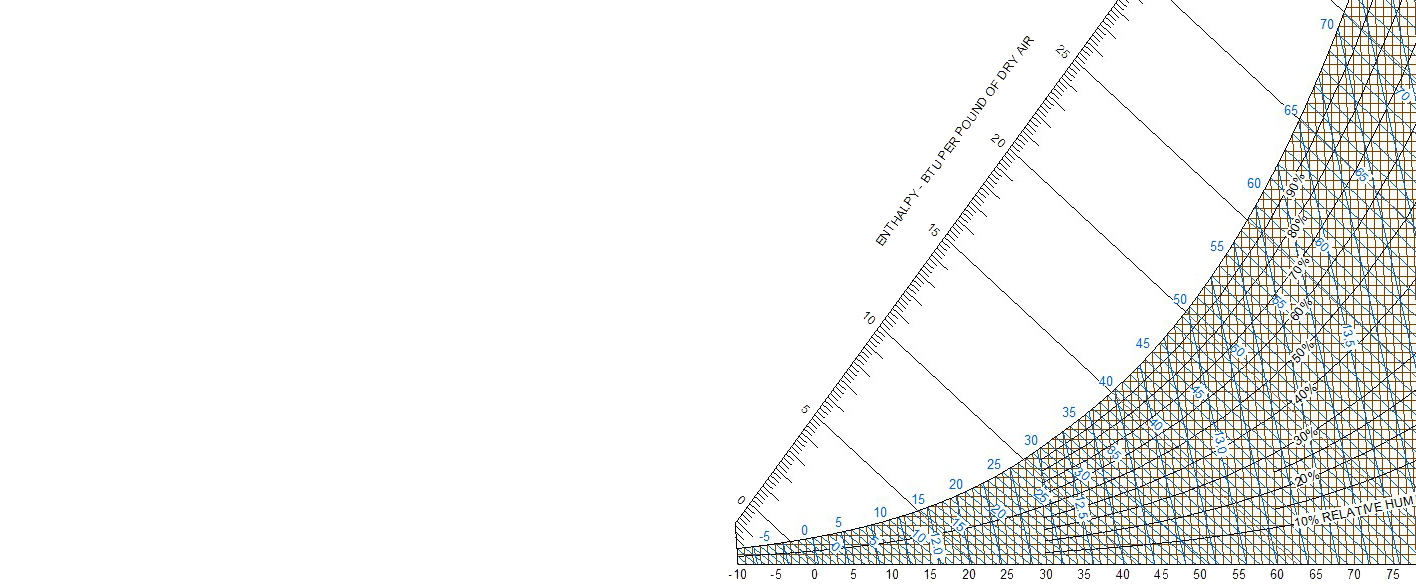
Most solid-dose manufacturing environments require 15-25% RH at 68-72°F, conditions that standard HVAC systems can't reliably hold under variable production loads.
Our hybrid and dry desiccant systems deliver consistent, validated performance across your entire manufacturing environment, from bulk material handling to finished dosage form packaging.
We engage at the design phase, work with your engineering team, and provide documentation to support validation requirements.
Our hybrid systems recover condenser reject heat to drive desiccant reactivation, reducing total energy consumption 30-50% compared to standalone desiccant units without sacrificing the precise dew point control pharmaceutical processes require.

Consistent humidity for press performance, coating adhesion, and capsule integrity.
Moisture control to prevent caking, agglomeration, and API degradation during powder handling and milling.
Controlled humidity for compression and granulation processes.
GMP-compliant dehumidification integrated with HVAC design.

Tell us your conditions and we'll point you in the right direction.